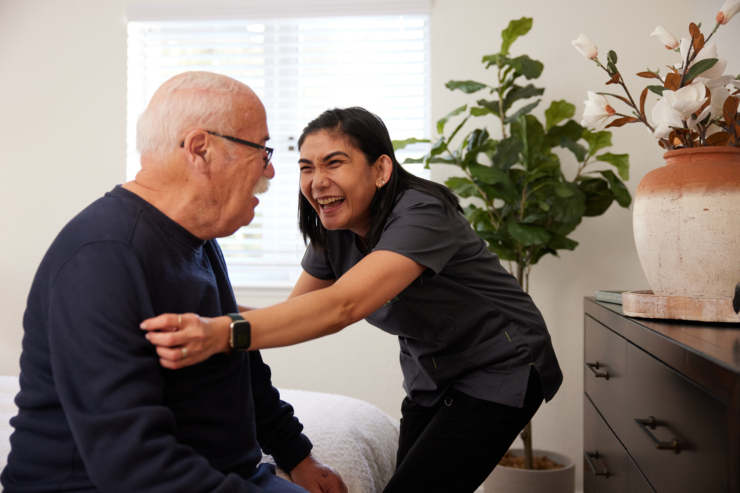
As we age, our risk of falling increases, with more than one in four adults over 65 experiencing a fall each year. While some falls result in minor bruises, others can lead to more serious injuries, long-term disabilities, and a decline in overall health. Aside from injuries, many older adults fear falling, which may lead them to restrict their physical activity, ultimately having a negative impact on their quality of life. By understanding the causes of falls, making lifestyle adjustments, and creating a safer home environment, seniors can reduce their risk of falling.
Causes of falling
Falls rarely occur due to a single cause, oftentimes, they result from a combination of age-related changes, medical conditions, and environmental hazards. Understanding these risk factors is key to fall prevention.
Age-Related Changes Affecting Balance and Mobility
- Decline in Vision and Hearing
- Weakened Reflexes and Coordination
- Muscle Loss and Joint Stiffness
Medical Conditions That Increase Fall Risk
- Chronic Diseases: Such as diabetes, heart disease, and thyroid disorders
- Cognitive Impairment: Mild cognitive decline, dementia, or Alzheimer’s disease
- Postural Hypotension: A sudden drop in blood pressure when standing up
- Urinary Urgency: Rushing to the bathroom, especially at night, increases the chance of slipping or losing balance
Medication Side Effects
- Dizziness and Drowsiness
- Cognitive Impairment
- Multiple Medications
Unsafe Footwear and Foot Problems
- High Heels or Backless Shoes
- Poorly Fitted Shoes
- Foot Pain or Neuropathy
Environmental Hazards in the Home and Community
- Cluttered Walkways
- Poor Lighting
- Slippery Surfaces
- Lack of Safety Features
How to reduce falls in the elderly
As we age, the risk of falling naturally increases due to changes in balance, muscle strength, and overall mobility. However, there are many steps we can take to reduce the likelihood of falls and maintain independence:
- Stay physically active
- Choose proper footwear
- Use assistive devices such as canes and handrails
- Get your vision and hearing tested
- Avoid or limit alcohol
- Get enough rest
- Stand up slowly
- Keep your hands free to hold onto railings
- Stay inside during inclement weather
- Stay up to date with doctor’s appointments
Fall-proofing your home
Creating a safe home environment with little to no obstacles can also greatly reduce the risk of falls. Below are some tips for fall-proofing your home:
- Clear walkways by removing clutter, cords, and low furniture from high-traffic areas
- Secure loose rugs with slip-resistant backing and repair unstable flooring
- Keep essential items within easy reach
- Clean up spills immediately
- Use non-slip mats in the bathtub or shower
- Improve lighting with night lights in key areas, bedside lamps, and clear paths to turn on light switches
- Turn on the light before using the stairs
What to do if you fall
After you fall, your first instinct might be to immediately get up; however, it’s important to take the next steps slowly to avoid exacerbating injuries:
- Step 1: Take deep breaths to try to relax. Stay on the floor or the ground for a few minutes to try and get over the shock of falling.
- Step 2: Assess your injuries. If you are unable to get up, remain on the floor and call for help.
- Step 3: Crawl to a chair. If you don’t think you need help, roll onto your side and slowly get up on your hands and knees to crawl to a chair.
- Step 4: Sit in the chair. Put your hands on the seat and kneel. From there, slowly rise and adjust your body to sit in the chair.
- Step 5: Seek medical attention if needed. If you are hurt, it’s important to seek medical attention immediately.
Alert systems for falls
After a fall, it’s important to seek help as quickly as possible. Fall detection and alert systems provide safety by notifying caregivers or emergency services when a fall occurs.
Types of fall alert systems:
- Wearable Devices – Smartwatches, necklaces, and wristbands detect falls and allow emergency calls with the press of a button
- AI Video Monitoring – Cameras activate upon a fall, alerting caregivers and providing footage for prevention
- Smart Home Sensors – Motion and floor sensors detect irregular movement and trigger alerts
- Medical Alert Systems – 24/7 monitored devices with automatic fall detection and emergency response
- Voice-Activated Assistance – Smart speakers enable hands-free emergency calls
When choosing a system, consider ease of use, automatic vs. manual alerts, response time, and comfort. These technologies enhance safety while allowing older adults to maintain their independence.
The Cogir Senior Living difference
At Cogir Senior Living, we understand that choosing a senior living community represents an important life decision. Our communities offer the perfect combination of comfort and value, helping residents enjoy an engaging lifestyle while making the most of their resources. From premium accommodations and professional care teams to engaging activities and fine dining experiences, we focus on creating an environment where residents thrive.
At Cogir Senior Living, we are dedicated to elderly fall prevention. Many of our communities offer advanced fall detection technology through SafelyYou. This advanced system integrates real-time AI video monitoring with 24/7 remote clinical support to detect and help prevent falls. With consent, a camera activates in a resident’s room, capturing only the moments before and after a fall. This enables staff to review footage, identify causes, and implement targeted prevention strategies. SafelyYou reduces falls by 40% and fall-related ER visits by 80%, improving resident safety and offering families greater peace of mind.
By following these tips, seniors can help prevent falls and live a safer and healthier lifestyle.
Liked what you read?
Spread the word!
Share
Related News
What to pack when moving into Assisted Living: A go-to guide
Moving into an Assisted Living community is a significant change that can come with uncertainty and stress for both seniors and their families. Developing a clear assisted living packing list can help…
Assisted Living for couples | options, costs & expectations
For couples who have built a life together, the prospect of transitioning to assisted living is ideal for that sense of continued companionship and comfort. However, it often sparks important questions:…
Assisted Living vs. Memory Care: Which is right for your loved one?
Choosing the right senior care option for a loved one can be a complex and often emotionally-charged decision. On top of it all, you may find yourself stuck between the options of assisted living and memory…


