Transcript
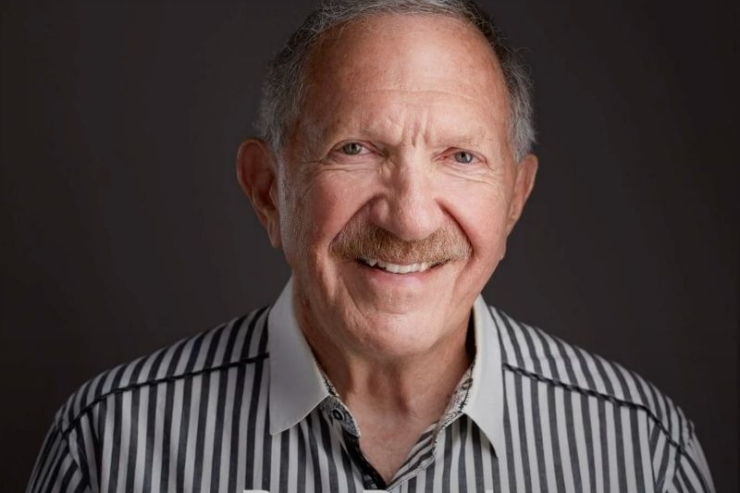
Dave: We’re gonna start off with Ron Brock, East Texas. Is it Brazos County? Is that what it is?
Ron: Brazas.
Dave: Brazas County.
Ron: You gotta learn how to speak Texan.
Dave: So Brazas County. I’ve heard of the Brazos River. Same thing?
Ron: Yeah.
Dave: I’m a history fan. That’s where Texas declared independence. Correct?
Ron: Well, it’s right next to the Big Thicket, and the Big Thicket is 5,000 square miles of just really dense thicket. It’s where my father grew up.
Dave: And I wanna talk to you about the Big Thicket because of the thickets in the name of your book. And if you’re from East Texas, you know what that is.
Ron: Oh, yeah.
Dave: But not everybody knows what that is, but it’s a huge area. Is it safe to say North Of Houston?
Ron: Yes. It is.
Dave: And it’s enormous, like, 150,000 acres or something?
Ron: At one time, it was. It’s been logged to the point where, it’s probably, 80 square miles.
Dave: Alright. So you’re in Brazos County, and that’s where you grew up.
Ron: Right.
Dave: And what did your father do for a living?
Ron: Budding professor at Texas A&M. He was a graduate of Texas Tech in mathematics. And when he finished school and by the way, he went to school homeless. No money. It was during the time of the Great Depression, and he did what he had to do.
Dave: 1930s?
Ron: Yes. He was, fifth generation big thicket. He didn’t wanna be a subsistence farmer anymore, so he wanted to be, as he put it, an educated man. So he had a job as a teacher at Texas A&M, and part of the deal was he also got to take classes, in which he got his master’s degree in mechanical engineering. He was enthused about new things and when the atomic bomb was exposed by the Manhattan Project and all the scientists bailed out because they felt so poor about what had been done. He applied for a job in Los Alamos.
Dave: The scientists felt bad ethically about working on the bomb?
Ron: Yes.
Dave: Your dad got educated in the thirties during the depression. Coming up on the war, the war is already going on in Europe. America, of course, entered the war in 1941. Some of his peers ethically don’t wanna work on the Manhattan Project. They don’t, they don’t wanna work on the bomb project. Correct?
Ron: The scientists that were originally part of the Manhattan Project decided when it was over to go other places.
Dave: Oh, I understand. Okay. So, obviously, you had to move from East Texas to Northern New Mexico, Los Alamos?
Ron: Yes. That’s when the federal government was looking at something to do with, well, the bomb. Not give it up, but do something different with it. Mhmm. So they wanted to build it small enough that would fit an airframe besides the B-29. When my father decided that he wanted the job there, Texas A&M let him off for a year to go on sabbatical and work in Los Alamos. We drove from a very green, leafy area to a very dry area.
Dave: In East Texas to Northern New Mexico Yeah. Completely different climate, right. Different landscapes, had to make new friends.
Ron: Well, the trip there was really interesting because he had said nothing about what we were doing other than just we’re going to be moving to Los Alamos. I didn’t know what that meant. Road to Los Alamos was fairly narrow and had a sheer cliff face on one side and a drop off on the other side of several hundred feet, which seemed like thousands. But dad was a real fast driver. Oh. And he scared the heck out of me. I’d never ridden on a road like that.
Dave: You had quite the adventure.
Ron: Yeah. And then when we got to Los Alamos, there was a machine gun tower, a tank pointed directly at the roadway, and some really nasty looking cops that told us to get out of the car.
Dave: Because privacy was a huge issue as the bomb was being worked on.
Ron: Well, it was still a very secret city.
Dave: And it’s pretty unusual. There’s guys with machine guns and towers, asking for, you know, proper passage to get into the facility at eight years old. Are you curious at that point, or did your dad share anything with you?
Ron: No. That wasn’t dad’s way. I mean, that’s not normal.
Dave: And it would be hard to go back to eight years old and get your thought processed then, but you had to think it was pretty unusual. Right?
Ron: Yes. I thought, what the heck? I had said nothing about this, and it was where we were gonna live.
Dave: And at that time, Ron, to put it in perspective, when people think of the Manhattan Project and I know the movie Oppenheimer’s kind of educated a lot of the new generation. I do wanna get your opinion on that. However, a lot of people don’t realize how big of a project that was. In your community, about 10,000?
Ron: Yeah. Los Alamos was the center point of the Manhattan Project.
Dave: Okay. I mentioned the movie Oppenheimer, and I saw a reaction from you. Give me your insight and your thoughts on that.
Ron: Well, Oppenheimer was a brilliant man. Didn’t deserve what he got in that movie. It’s true that he was, what they used to describe as a fellow traveler or had been at one time. But they made him out to be a really bad guy in the communist world. There were a number of spies in the Manhattan Project. He wasn’t among them, but there were at least 12 that I know of that are mentioned in the book. Primarily, they were just scientists who felt that they needed the world and the world needed to know what kind of a project this was. And what the likely result was, which turned out to be correct. When the Soviets detonated a bomb, that set off quite a crisis. He was a–
Dave: On trial for espionage?
Ron: Yes. He was the head of the Communist Party in New York City. His wife was the sister to a machinist that worked on the project. He had given him information that went on to the Soviets. And somebody had to pay for the fact that everybody was really ticked at that time about the Soviets, and so Julius and Ethel got it. Could have been anybody, but it was just them.
Dave: Do you recall ever seeing Oppenheimer or meeting him or seeing him in the vicinity of the community?
Ron: Oppenheimer was gone when we moved there. He was the head of the think tank at Princeton. I did see Teller. Teller was on my paper route, and he was working on the hydrogen bomb at that time.
Dave: As you got older, did you ever discuss this with your dad?
Ron: Well, he mentioned things, like, for instance, one time we were a friend of mine and I were talking about a car that had rolled over on an individual, and somebody came along and literally picked up the car somehow. And this superhuman effort. And my dad said, yeah. I did experience something like that one time. When he was working on the, well, the detonator for the atomic bomb, at the time they were testing, was something less than plutonium. They worked in a site that they called them, test sites, where they were fenced off with chain link and topped with barbed wire. And something went wrong in the test, and all the people in that vicinity who were involved in the test cleared this fence and were running off to the side. I don’t know how far, but far enough that they got away from it. And nobody remembered having climbed that fence. Neither one of them was hurt, and the fence was nine feet high. I don’t think that he would have done it again if he had a chance without the incentive. Once he decided that he would give up that job and go back. Arizona, by then, Texas A&M had offered him a full professorship. But in one last moment, he invited us to come to Las Vegas to watch a detonation. We went out to, about 60 miles out of town, and we were parked beside the road. That was probably 05:00 in the morning, waiting for the bomb to go off, and my sister and I were young enough that we were just playing around, just having fun, yanking it up. And all of a sudden, there was this massive boom, and we saw this mushroom cloud rising. Oh. Now we didn’t get to see the kind of design the description that we heard from others of who were closer to the detonation, but it was–
Dave: How far away were you? Just giving a rough Estimate.
Ron: It must have been probably 20 miles, maybe further. Maybe maybe 30 miles.
Dave: So 30 miles away and you still saw the mushroom
Ron: Oh, sure.
Dave: And you felt miles away.
Ron: Oh, sure. In fact, it lights up the entire countryside when it goes off. It’s so brilliant.
Dave: Do you feel like your dad shared a lot of the information with your mom?
Ron: You know, I’m not sure. It was treason to do that.
Dave: Even with your spouse? With anybody? Anyway, So he probably didn’t share it just to keep the rest of the family safe.
Ron: Well, we didn’t even know what he did. Right. I had no idea what he did. Still after we went back to College Station.
Dave: Okay. Take me to NASA.
Ron: Then they sent dad back to Huntsville, Alabama, where they were working on the first rockets for going to the moon. Wernher von Braun and he worked together on a program to send a man to the moon.
Dave: Think about the thought process in those days, Ron. That was way out of bounds, mentally, for most people.
Ron: Well, the technology hadn’t been developed that would allow it.
Dave: Right.
Ron: But they knew that it would be. So dad was supposed to work for a month with Von Braun and get things organized for the contract that he had with NASA. There wasn’t NASA– at NASA at that time. It was simply a government agency. Came time for him to go home and Von Braun said, no deal. So we moved to Huntsville, Alabama, and I worked two summers, as an engineering trainee. My first summer was on the static test tower with Jupiter and Saturn. Saturn is the rocket that took the guys to the moon, originally.
Dave: Do you look back at that now and think I was part of something special? Maybe then you didn’t know it, but now when you look back, you have to think that.
Ron: Well, I was a lucky kid. It’s what it was. I just got in the way of it. Didn’t do anything to merit it. I mean, my father was high place enough that he got me the job. I didn’t get it because I was such a great student. But, anyway, we stayed there until Von Braun was satisfied that things had been put together well enough that he could go back to Arizona.
Dave: Let’s talk about Arizona because I definitely wanna talk about when you came out here still as a very young man. What were you? 14, maybe, something like that when you came to Arizona and You went to Tempe High School. You’re a football player. Did you love Arizona right away?
Ron: No. I thought the water was awful. I was used to Texas water. It was really sweet and nice, and the water here is alkaline. In fact, it’s just miserable. So
Dave: At 14 years old, that’s what you noticed was the change in water?
Ron: Well, I noticed that, and I noticed palm trees everywhere. I loved it.
Dave: Sure.
Ron: I was fascinated by it. And then, of course, open ditch irrigation and watering your front lawn with irrigation. Those are things that were really unique. But as a football player goes, I would say, I was a football player until a real football player showed himself.
Dave: The Tempe Buffaloes. You were a Tempe Buffalo, what, linebacker?
Ron: Yeah. Well, I broke my leg my sophomore year and just above the ankle. And back in those days when you got out of a cast, you didn’t have any kind of a rehab. You just got well. I was not able to play football. I mean, I’ve been out here a year, but I couldn’t play because my ankle kept tearing. So my history as a football player at Tempe High wasn’t nearly as good.
Dave: It was short lived.
Ron: Yeah. Intramural football at Arizona State was different. I was able to do that.
Dave: Tell me about ASU. Going to ASU, what did Ron Brock want to be in life after everything you had done? Because you had already lived a special life by that point through your father, through your family, the experiences that you had had to that point. So Ron Brock goes to ASU. What do you envision for your future at that time?
Ron: Engineering. Be an engineer. I was going to be a mechanical engineer, and that’s really how I ended up as an intern with the– man’s face. Well, the man’s space flight program was going then in Huntsville. That’s how I got that job or those jobs, I should say. I worked in the static test tower over the first year. Second year, I worked in industrial engineering. And I have to say that I found it so boring that I went back and changed my major.
Dave: To?
Ron: Business. I didn’t know what that–
Dave: Straight business was.
Ron: I didn’t know what I was gonna do. I just knew one thing for sure.
Dave: So take us from there. Ron Brock gets into business. What kind of business?
Ron: Well, at first, what do you major in? Oh, management. Oh, yes. I learned how to be a manager. Well, that is probably as lame a major as you can have in the business school. But then I took a marketing class from a professor that was really good at what he did, and Dr. Richardson turned me around. I became not only a major in marketing, I was an enthusiast. I was what I was gonna do no matter what.
Dave: And then that’s what you did for your career, for your life?
Ron: Yep.
Dave: And are you glad that you made that decision? Was it always challenging for you? Because during your career in the world of marketing, so many things changed along the way. Just to keep up, you had to be at the top of your game.
Ron: Well, I was told when I graduated that you needed a master degree from Harvard and three years experience to get a job in marketing. Of course, that was an exaggeration, but I interviewed a number of companies, and all of them are telling me that we don’t have a marketing job for you, but we have a selling job.
Dave: And this was the Mad Men age. Did you ever see Mad Men?
Ron: Oh, sure.
Dave: Wait. Is that the era that we’re talking about? Yes. Okay. Well,
Ron: Hunt Wesson Foods offered me a job based on I told them that I would take the job. This is how arrogant I was, by the way, and I apologize for that.
Dave: Like Hunt’s Ketchup and Wesson Oil. Is that what we’re talking about?
Ron: Yes.
Dave: The Hunt Wesson Group. Okay. Go ahead.
Ron: So I took the job and the contention was that I could get a job in marketing if I did well in sales. I said, I’ll take it. Pay was miserable to start.
Dave: In sales?
Ron: Well, at first I was miserable.
Dave: Okay. Yeah.
Ron: I was in sales, and I loved it. I felt that of course, I had learned about selling when I was in high Los Alamos, selling, from our little, school supplies store. And I found that I like this stuff. And I’ve then got a job selling doors, I mean, on a street corner in Santa Fe, New Mexico. So I go down every day after school, get my papers, go out there and sell them, and go home with 90¢. It was big.
Dave: And that gave you some good vibes for later on in your career?
Ron: Yeah. For sure.
Dave: Because now sales weren’t all that foreign to you. You’d been in the game in your own way.
Ron: Right. I was an experienced salesman.
Dave: Sure.
Ron: So, anyway, I did. I loved it. I loved being a sales manager. And, when I was offered the job in marketing, I had to think about it. What do I wanna do about this? Then I decided, yeah, I’ll do the marketing job. I’ve done well in sales. I know I can get a job in sales if I wanted. So I took it, as brand manager for the commodity products where Hunt wasn’t. I was subsequently moved to Ohio. The Ohio Mash Company was a division of Hunt. And I repositioned that product to be a decorative as opposed to utilitarian product, And it drove the sales for the Ohio Mash company right straight through the roof. I got notoriety for it and ended up being recruited by Frito Lay, something new that I found to be interesting, and then I was gonna be the Cheetos brand manager. So I got everything organized and got my family moved and got to Frito Lay, and they said, “well, you’re not gonna be the Cheetos brand manager. You’re gonna be the manager of Doritos.” I said, really? Alright. I’ll take it.
Dave: Doritos, Cheetos. What the heck. Right?
Ron: So I said, what are we gonna do? They said, well, we’re gonna introduce a new product called nacho cheese flavored Doritos. I said, alright. When are we doing it? One month from today. I said–
Dave: Plenty of time.
Ron: I said, wow. I changed it. I had forgotten. I had not moved my family yet from Akron. Well, I worked night and day doing all the things that had to be done to get ready. And, of course, I think part of the problem had been with the introduction before with the brand manager because he was a good guy that I took his place. But the sales vice president didn’t like him. Didn’t like anybody in marketing, but he left the salesman. And he and I clicked, and I got all the support I needed from him. And when nacho cheese flavored Doritos was introduced, it was such a hit that it literally cleared out a lot of thinking at Frito Lay. When I put my forecast together, the senior vice president called me into his office and said, if I take this into Mr. Lilly, who was that’s how formal the company was, the president of the company, he’s gonna throw me out the door. I said, well, I don’t, I don’t know what else to tell you. That’s the numbers. So he said, okay. We’ll do it. Then I got a call from purchasing, and he said, if we do what you’re suggesting, we’re gonna buy up the entire world’s supply of tomato powder for the next year and put it in a warehouse, and it won’t last. I said–
Dave: Yeah. What’s the shelf life of that?
Ron: Not long. So I took a big risk. Turns out I was right. Frito Lay’s profits went crazy.
Dave: Yeah. I think you were right. So today, when you see nacho cheese Doritos run, do you want some, or are you like, no? It’s the last thing I wanna see. I was around my whole life.
Ron: I don’t do snack foods, but my kids were the first ones in the country to try nacho flavored Doritos.
Dave: How about people over at Shea Acoya? If you see them eating some nacho cheese Doritos, you have to smile. Come on.
Ron: Yeah. It’s fun.
Dave: So then Arizona because this is where you retired. Correct? I mean, Paradise Valley, Scottsdale, and now you’re at Shea Acoya with Cogir. You must have grown to love Arizona. I mean, you must have grown fond of the water, and you always love the palm trees.
Ron: But I just grow to love it.
Dave: Arizona does grow on you, doesn’t it?
Ron: Well, yes. Particularly Phoenix. When I moved here, it was just 385,000.
Dave: So how long have you been here, Ron? I mean, in terms of
Ron: Since 1955.
Dave: 1950–. Wow. Well, you’ve seen a lot of things change in Arizona. In fact, Shea Acoya by Cogir, that was so far north in the valley. Nobody ever thought that that area would develop. I mean, Shea was thought to be the northbound East West Road in the valley, and now it’s that whole area’s just developed. You’ve seen Phoenix grow in a way that few have.
Ron: We went from a small town to, I’d say, a big town. It was a series of 14 small towns that you drove to each town, and there was open space between each.
Dave: And Paradise Valley, where you resided for years, was a ranching community.
Ron: Yeah.
Dave: That was wide open parcels of 10, 20, 30 acres.
Ron: Sure.
Dave: And now Paradise Valley is one of the most sought out places in the entire nation. Talk to me about Shea Acoya by Cogir and the friends that you’ve made there and living there and Well, it’s a great bunch.
They are truly a great bunch. I love them all.
Dave: I’ve been to Shea Acoya, by the way. It is a beautiful facility.
Ron: It’s like living in a resort.
Dave: It’s beautiful.
Dave: Yeah. I mean, I wanna come over there and watch football with you on those big screens in the common living areas. Everybody seems to be happy, and the food looked delicious.
Ron: One thing that we have working for us is we have a really great program of just activities. And our activity director Kim has done a superb job of keeping things going when we all appreciate her. And she’s sitting right here in this room.
Dave: I know Kim. She’s a friend of mine, and you guys get out and you have some fun. We were talking about going to a Diamondbacks game.
Ron: Hey. That’s how Herb was, we all went to see her again.
Dave: One of your fellow residents threw out the first pitch at a Diamondbacks game.
Ron: Yeah. So those kinds of things make it really a pleasure to live there.
Dave: Ron, your book, The Thickets Prodigy, how do people get it?
Ron: Amazon.
Dave: The Thickets Prodigy Right. On Amazon. They can read the whole story. You know, Ron, after meeting you and becoming friends, I’m gonna read the book while eating nacho cheese Doritos.
Ron: Remember to have a napkin in your hand because it gets a little orange dust all over things.
Dave: I enjoyed this. Thank you.
Ron: My pleasure. I enjoyed it too. Thank you, Dave.
Summary
Ron Brock, a resident at Acoya Shea in Phoenix, Arizona, shares a remarkable life story rooted in East Texas and details his involvement in the Manhattan Project and the American space program. From growing up near the Big Thicket to watching nuclear test detonations in Nevada, Ron’s childhood was shaped by his father’s work as a scientist for the U.S. government—including time spent in Los Alamos and with Wernher von Braun at NASA.
Ron went on to attend Arizona State University, began his career in sales, and eventually helped launch one of the most iconic snack products of all time: Nacho Cheese Doritos. His marketing leadership at Frito-Lay came during the Mad Men era and helped redefine consumer branding. In retirement, Ron continues to enjoy life in Arizona and has published a book titled The Thicket’s Prodigy, which recounts many of his incredible experiences.
Now living at Acoya Shea, Ron stays active with a vibrant community of friends, engaging activities, and the support of a caring team. His story is one of innovation, legacy, and lifelong curiosity.
Liked what you read?
Spread the word!
Share
Related News

Boutique, luxury senior living
Luxury, boutique living reflects a growing shift in how older adults and families think about care, comfort, and daily experience. While the senior living industry offers a wide range of wonderful options…

Why private pay senior living offers more value than you think
Listen here Many families begin their search assuming private-pay senior living is too expensive. That reaction is common, especially when you are comparing options or researching the cost of senior…

Heartfelt holidays: Easy recipes for seniors, lasting memories
With the holidays right around the corner, there can be a lot to prepare for. Whether it’s shopping for presents, decorating the house, or deciding whose house to go to for what, there is always something…