
For seniors living with memory loss, maintaining independence and preserving skills are essential for dignity and quality of life. A memory care community with the right tailored programs can not only maintain these facets for your loved one, but enhance them.
At its core, memory care is designed to help seniors suffering from memory loss by providing a safe, supportive environment where residents can engage, grow, and feel valued — even as their cognitive challenges progress. Memory care communities like those at Cogir Senior Living offer specialized support that goes beyond basic assistance. Structured routines, meaningful engagement, and compassionate care are tailored to each individual’s needs.
Specialized memory care programs can foster a fulfilling sense of independence for your loved one that compliments their cognitive care and treatments. Here’s how.
What is Memory Care and what does it consist of?
Memory care communities are dedicated environments for individuals with Alzheimer’s and other forms of dementia. Families who can recognize the early signs of dementia or Alzheimer’s are empowered to decide on a memory care community that fits their affected loved one’s specific needs.
Memory care communities typically offer 24/7 supervision, secure environments, personalized care plans, and highly trained staff who understand the complexities of memory loss. For example, Cogir’s Connections program and extensive Revere™memory care services emphasize relationship-based care, ensuring that each resident receives attention rooted in familiarity and respect.
We encourage families to carefully consider their options before deciding on memory care. Sometimes forgetfulness in your loved one does not impede their independence, and only amounts to a need for assisted living. Weigh assisted living versus memory care options to find the right fit based on the need.
How Memory Care programs foster independence
Memory care programs are built on the belief that every individual deserves to retain as much independence as possible. Structured routines and familiar daily schedules help reduce anxiety and confusion, making it easier for residents to navigate their day with confidence.
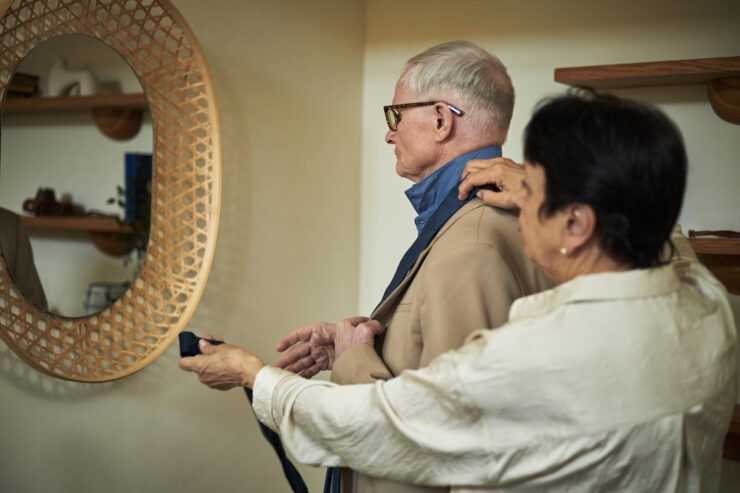
Secure environments with thoughtful design — like easy-to-navigate layouts and monitored common areas — allow residents to move freely and safely with some degree of autonomy. Caregivers provide “do-with” over “do-for” support, encouraging residents to participate in daily tasks and maintain their abilities for as long as possible.
Activities that help Memory Care residents stay engaged and capable
Purposeful engagement is at the heart of memory care. Activities for memory care patients are thoughtfully designed to stimulate their cognitive, physical, social, and sensory abilities and keep them vital for as long as possible. These activities benefit a person with dementia by helping to slow cognitive decline, boost mood, and foster a sense of accomplishment.
Regular participation is key. Making meaningful activities a consistent habit can go a long way to reduce agitation, encourage socialization, and provide a sense of purpose. How to keep dementia patients busy is a common concern for families — memory care communities excel at offering a wide variety of options tailored to individual interests and abilities.
This level of planning is a level beyond what a family caregiver has energy or bandwidth to provide. Delegating this level of caregiving is just one step toward self-care that family caregivers can take for themselves — a crucial part of sustaining themselves as they care for their affected family member.
Popular and effective Memory Care activities
Fun activities for memory care residents are as diverse as the residents themselves. Here are some of the most popular activity ideas that an effective memory care community can offer:
- Music therapy for seniors with dementia. Listening to familiar music or participating in sing-alongs can spark memories, reduce anxiety, and improve mood. Learn more about the benefits of music programs for seniors with dementia.
- Art projects and memory boxes. Creative expression through painting, crafting, or assembling memory boxes helps residents connect with their past and express themselves.
- Puzzles, card games, and board games. These memory care games for seniors challenge the mind and encourage social interaction.
- Chair yoga and gentle exercise. Physical activity supports mobility and overall health.
- Life stations for memory care. Purposeful stations — such as baby doll care, office desks, or laundry folding — allow residents to engage in familiar tasks and maintain skills.
Group activities for residents and fresh memory care programming ideas are central to daily life at Cogir’s memory care communities. From holiday celebrations to themed events and outdoor walks, there’s always something engaging happening.
How activities and therapies benefit cognitive and emotional health
The benefits of memory care extend far beyond safety. Engaging in regular activities and therapies helps boost mood, reduce agitation, and encourage socialization. Repetition and stimulation through memory care exercises can slow cognitive decline and help residents maintain their abilities for longer.
For families, knowing that their loved one is participating in meaningful, enjoyable activities provides peace of mind and reassurance that their quality of life is being prioritized.
Conclusion
When you decide your loved one needs memory care support, you want to know they will get only the best care. When exploring your options and touring communities, ask yourself these questions to make sure it is a good fit for your family and loved one. Note the kind of activities offered and the spirit in which they’re offered at the community in question. Are they an afterthought? Or are they intentional to maintain residents’ dignity and independence?
We stand by the latter at Cogir — we believe residents can and should maintain their skills to enjoy a fulfilling daily life. A great memory care community should provide so much more than safety and shelter. It should promote a menu of tailored activities and expert support that result in meaningful community-building, engagement, dignity, and independence for seniors with memory loss.
Are you ready to take the next step toward memory care services that make your loved one feel like family? Learn more about memory care at Cogir Senior Living or contact us to schedule a visit and start planning your loved one’s memory care journey.
Liked what you read?
Spread the word!
Share
Related News

A guide to Memory Care: Supporting your loved one with dementia
Listen here When a loved one is diagnosed with dementia or Alzheimer’s, life gets complicated fast. Questions arise about what kind of support is needed now and what might be needed in the future…

The importance of sleep for seniors with dementia: Boosting memory and mood
A full night’s sleep is an everyday pleasure that we so often take for granted. Sleep patterns change as we age, and unfortunately, quality sleep often becomes more elusive for seniors with dementia…
What is sundowning? Causes, symptoms, and care tips for seniors with dementia
When someone you love is living with dementia, daily life can feel unpredictable — especially as evening approaches. Many families notice their loved one becoming more confused, agitated, or unsettled…